Elementary Grades
Elementary School · Grades 1-8
Where learning comes alive
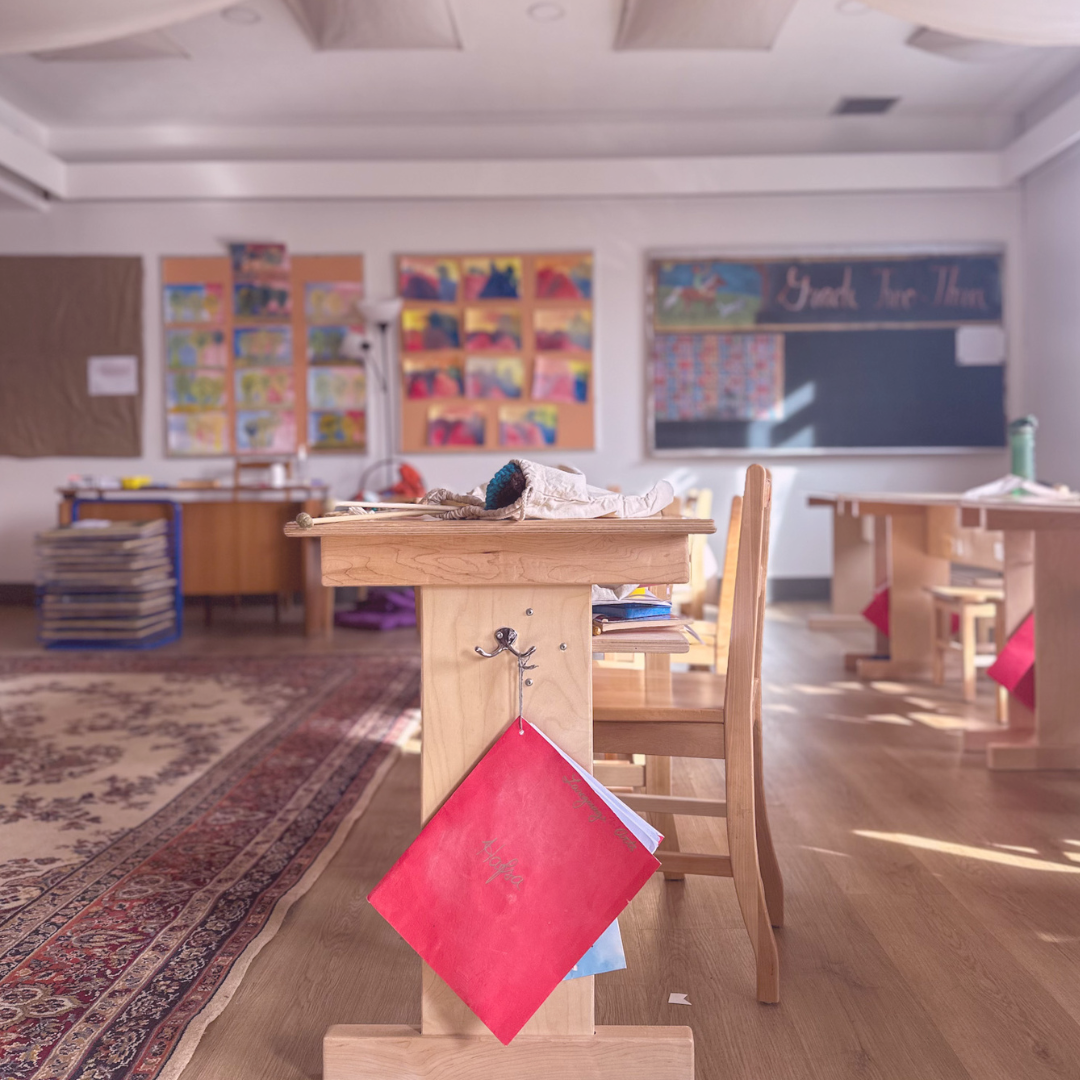
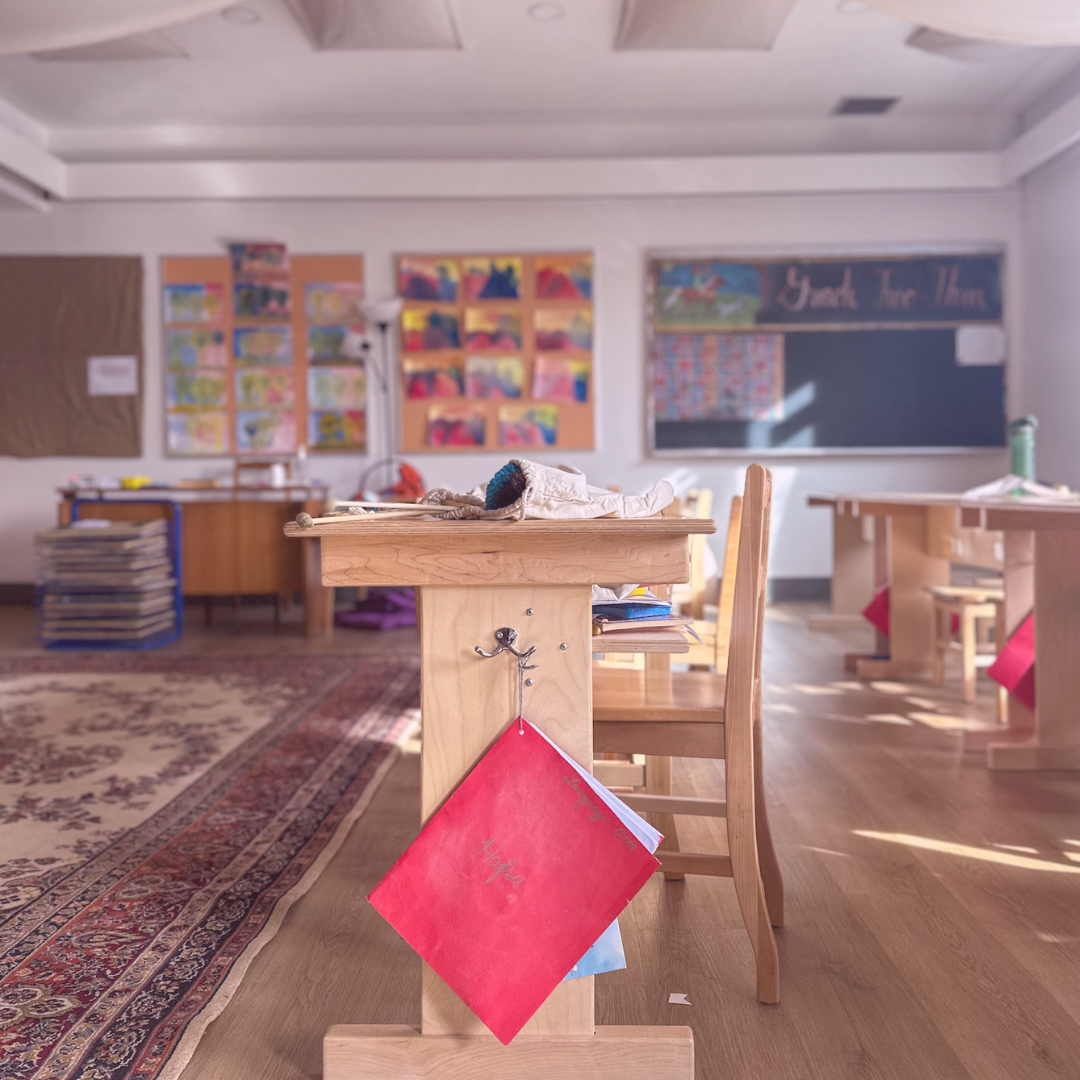
As children enter the grades, their natural curiosity is met with a rich and increasingly rigorous academic curriculum. At Polaris, mathematics, language arts, science, history, geography and other academic subjects are not presented simply as information to be memorized. Teachers create experiences through which students can encounter ideas, question them, work with them and ultimately make them their own.
What Sets Polaris Apart?
Learning Through Head, Heart and Hands
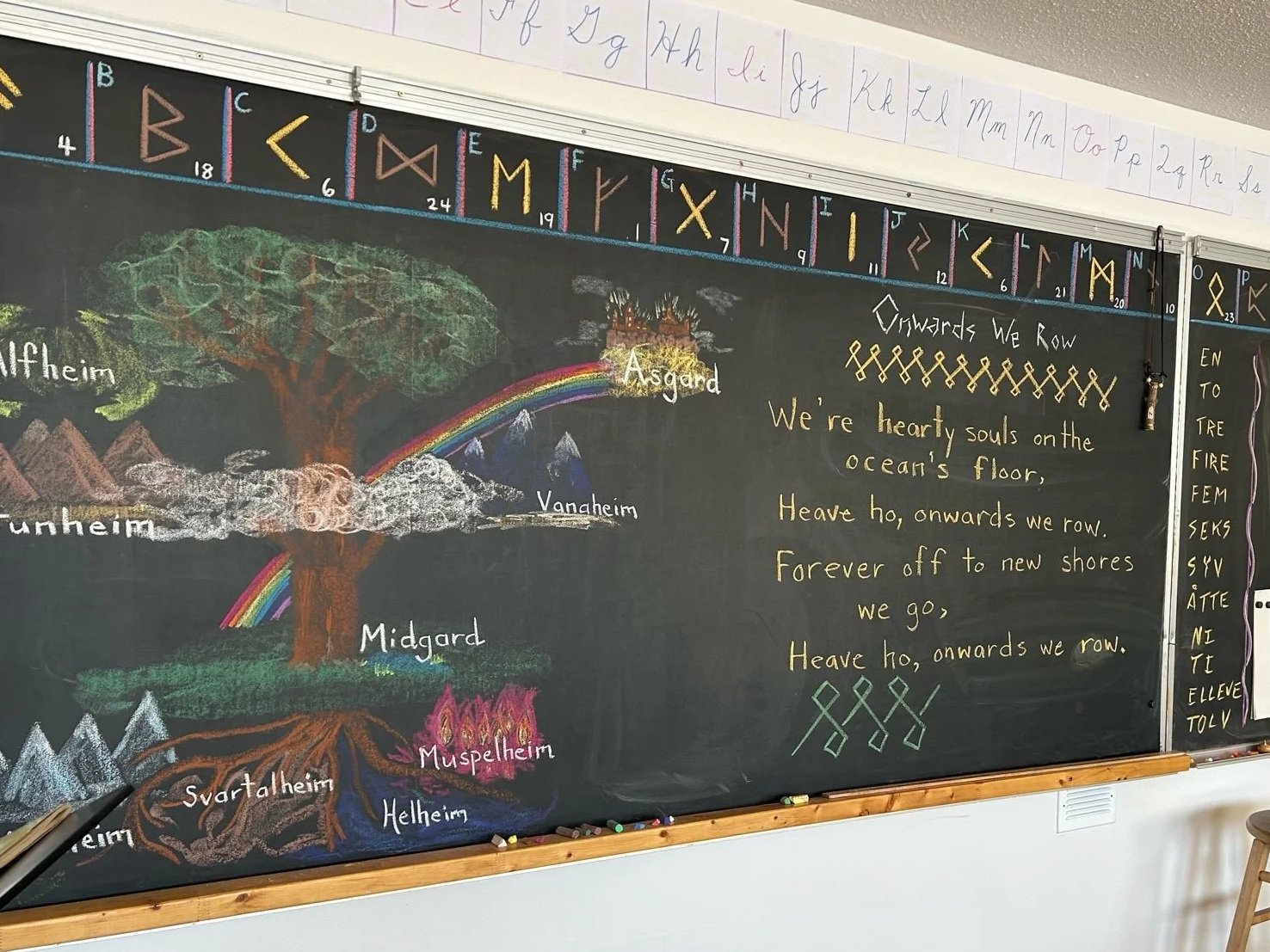
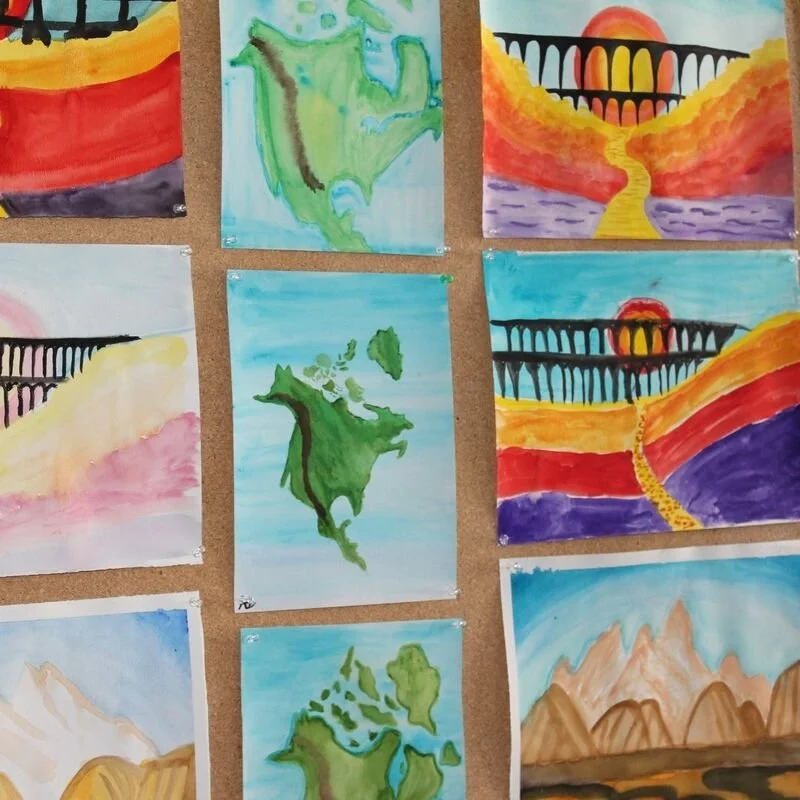
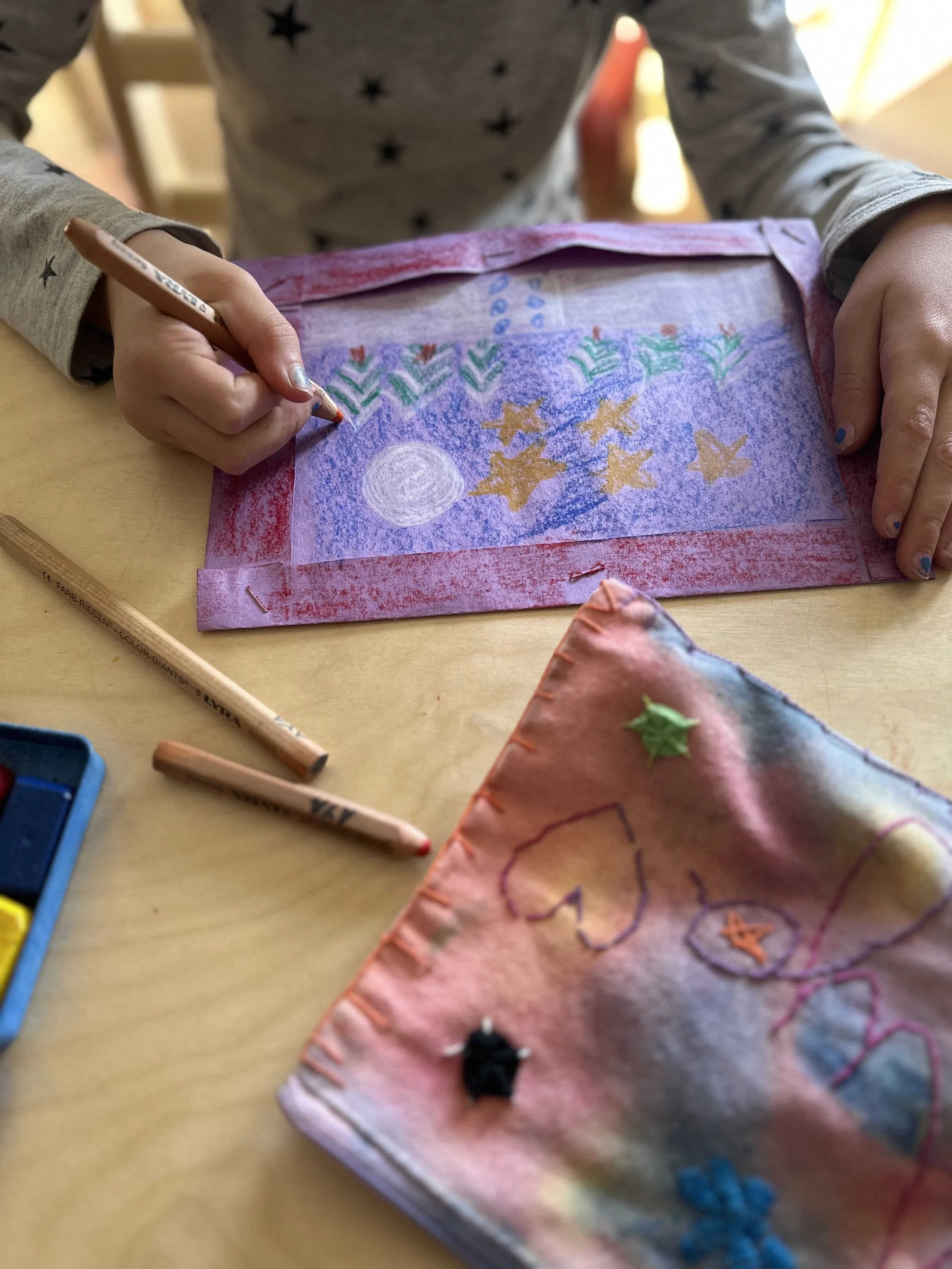
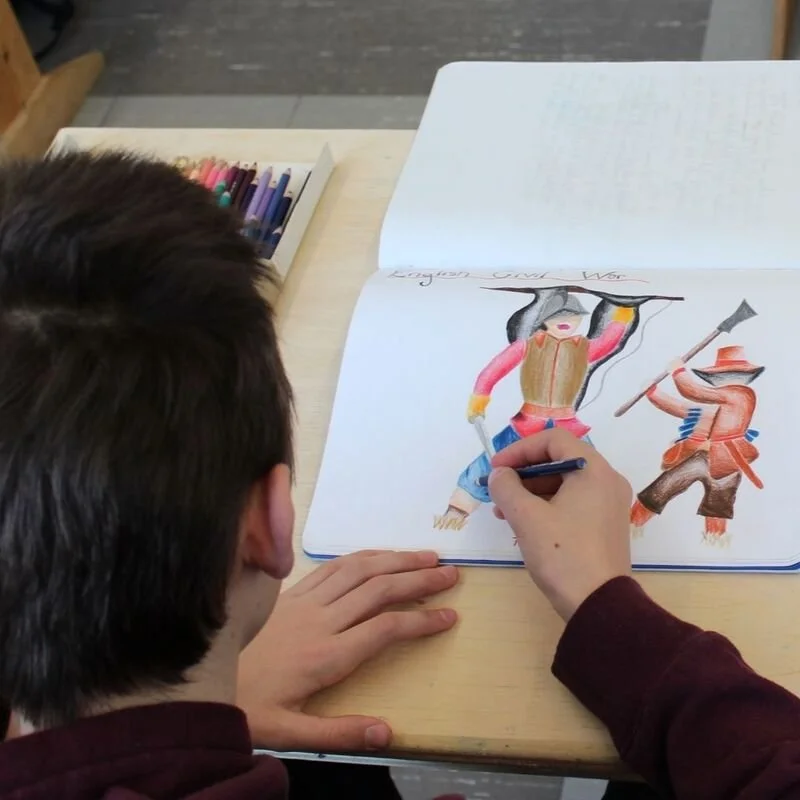
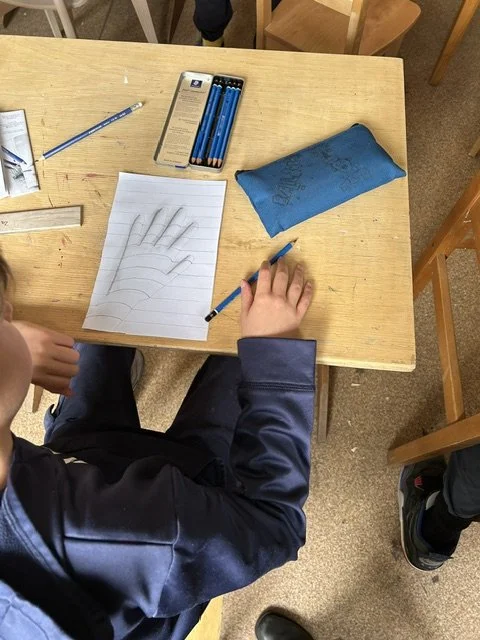
Our Waldorf-inspired approach engages the whole child. Story, movement, art, music, drama, handwork and hands-on exploration are woven into academic learning, allowing students to approach ideas from multiple directions. This multi-sensory approach, creates an environment where students with different learning styles can flourish.
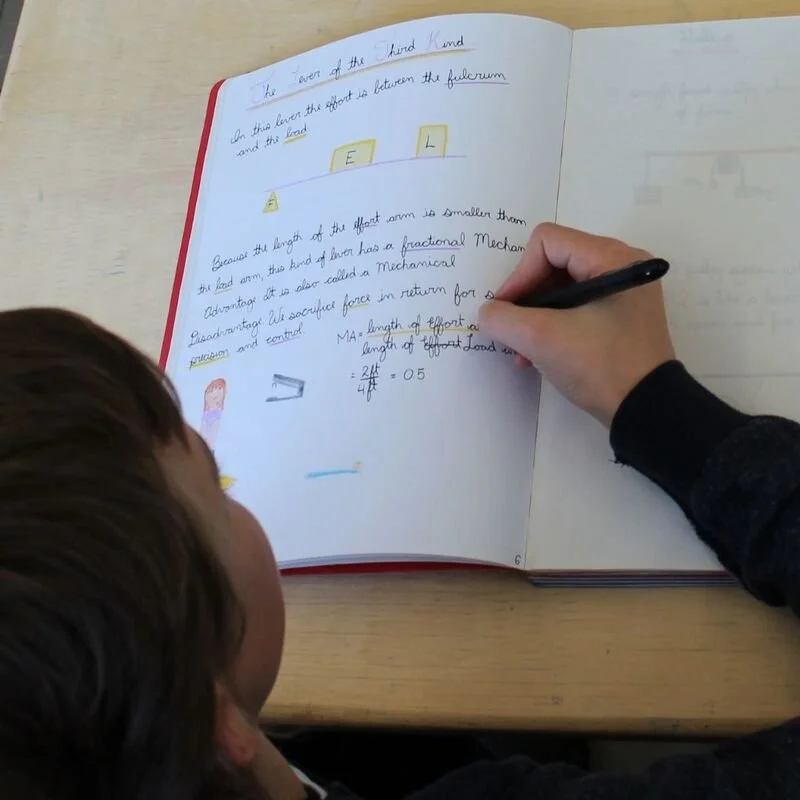
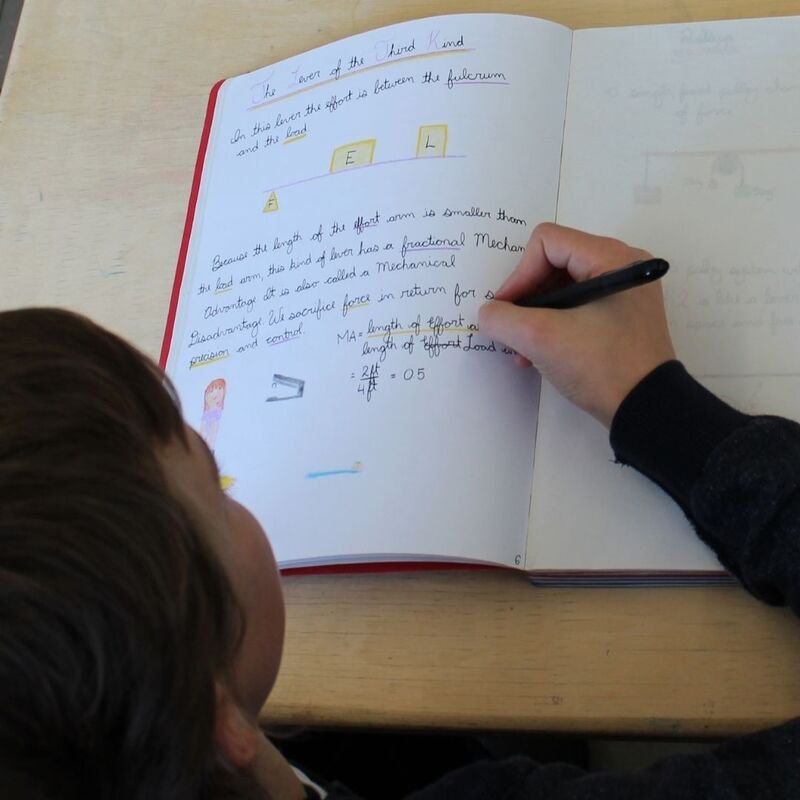
A mathematics lesson may involve rhythm and movement before students work independently on paper; a scientific concept may begin with careful observation and experimentation; history may first come alive through biography and story before students analyse events and ideas. Art and movement are therefore not simply additions to the academic program, they are part of how the learning takes place.
Deep Learning, Not Rushed Learning
Our curriculum respects the developmental journey of the child and allows important ideas time to develop. Through a spiralling approach, subjects can be explored intensively, allowed to rest and then revisited later with new maturity and understanding.
Students are encouraged not simply to remember information, but to make connections, ask thoughtful questions and develop increasingly independent judgment.
As students move through the grades, imagination gradually gives way to greater analysis and critical thinking. The way a Grade 1 student encounters a subject is, therefore, very different from the way a Grade 7 or 8 student approaches it. The curriculum grows with the child, steadily asking more of students intellectually while continuing to engage creativity, movement and hands-on experience.
Known, Supported and Challenged
Small classes give teachers the opportunity to truly know their students, their interests, abilities, challenges and individual ways of learning.
Strong, multi-year relationships with teachers bring continuity and allow a deeper understanding to develop over time. Teachers offer steady guidance, clear boundaries and a supportive structure in which students can feel secure enough to ask questions, make mistakes, take healthy risks and stretch beyond what already feels comfortable. Families are an important part of that relationship as well, with teachers and parents working together to support each child's development.
Growing Confidence, Resilience and Independence
Academic challenge is important, but we do not believe that challenge needs to come at the expense of a child's confidence or joy in learning. Students are given opportunities to persevere, solve problems and move beyond their comfort zones within an environment in which they are known and supported.
The aim is to cultivate curiosity, critical thinking, resilience and confidence alongside a lifelong love of learning, providing our students with the tools needed to meet an ever-changing world.
Beyond the Core Academics
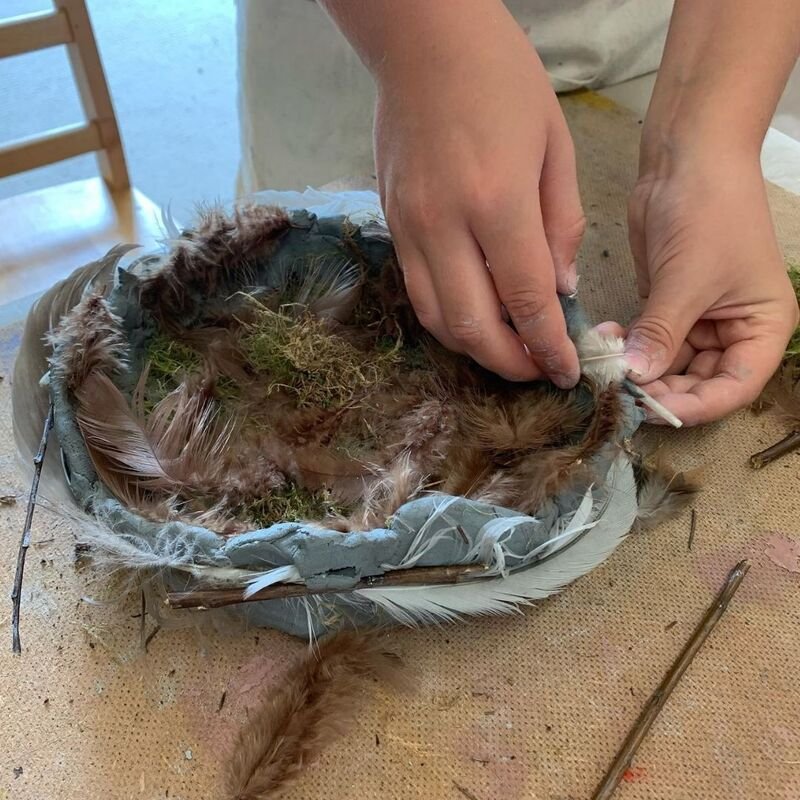
A rich variety of subjects and experiences fill the school day and give children different ways to discover their strengths and abilities. Music, French, visual arts, drama, handwork, movement and outdoor learning complement the academic program and allow students to work with their voices, bodies, hands and imaginations as well as their intellect.
These experiences are an integral part of education at Polaris. Together, they help students develop creativity, perseverance, flexibility, collaboration and confidence while discovering new interests and ways of expressing themselves.
Learning Beyond the Classroom
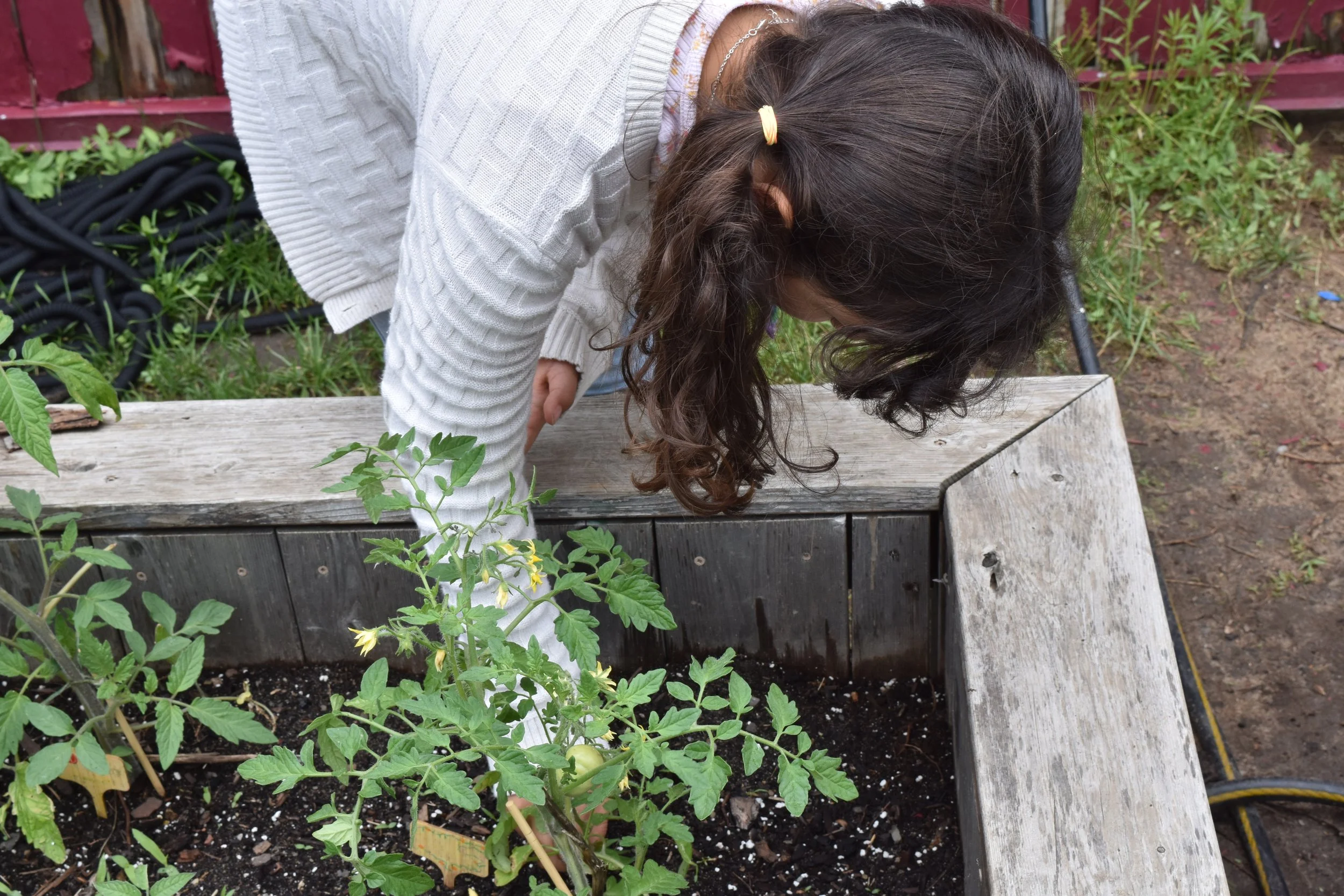
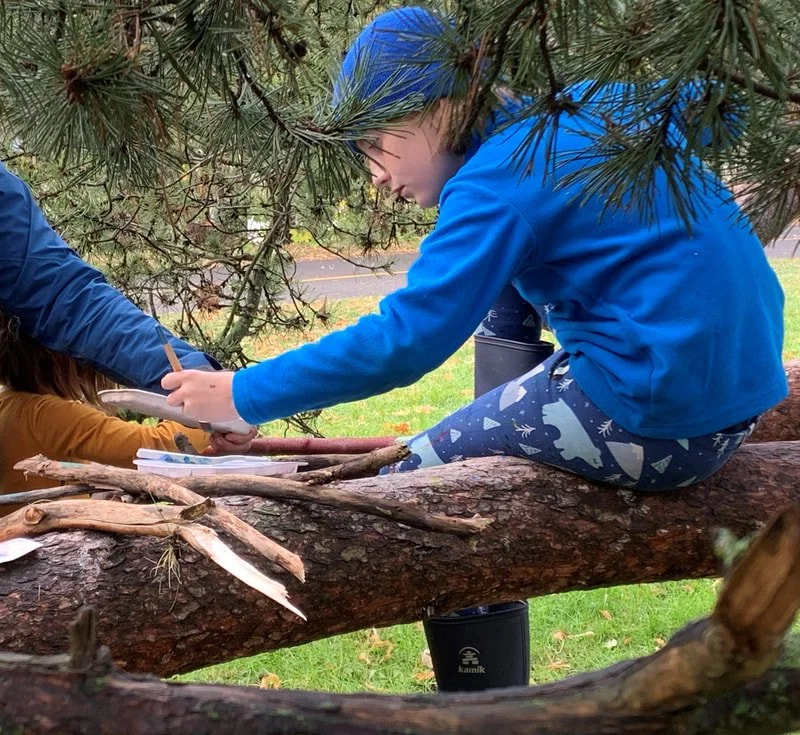
Our Nature Connect program extends this philosophy into the outdoors. Students spend meaningful time outside throughout the seasons, observing the natural world, playing and working together, developing practical skills and strengthening resilience, confidence and teamwork.
Nature Connect is woven into the weekly rhythm of school life as a complement to the Waldorf-inspired curriculum rather than being treated simply as an occasional outdoor activity.
Space to Think, Create and Connect
Our school day is intentionally phone-free and screen-free, creating space for sustained attention, conversation, creativity, movement and genuine human connection. Students learn by engaging directly with teachers, classmates, materials, ideas and the world around them.
Ready to Meet the World
Ultimately, the purpose of a Polaris education extends beyond mastering a curriculum. We want students to leave us curious and capable, able to think for themselves, meet challenges with resilience, work meaningfully with others and continue learning throughout their lives.
By nurturing creativity, confidence, compassion and independent thought, we aim to help each student discover their own interests, passions and strengths so they are ready to meet the world, wherever their path may lead.
Polaris Promise
At Polaris, your child will:
Grow at their own pace in an environment that recognizes each child as an individual and gives them the time and support they need to develop with confidence.
Be known and supported through small classes and strong relationships with teachers who understand their strengths, challenges, and ways of learning.
Learn with their whole being through movement, hands-on experiences, meaningful work, and time outdoors throughout the seasons.
Develop creativity and curiosity through art, music, drama, handwork, nature, and a rich variety of experiences woven into school life.
Build confidence, resilience, and a love of learning through academics that are engaging and appropriately challenging, without unnecessary pressure or comparison.
“There’s a sense of feeling safe to be fully themselves and a huge part of that is what the teachers create as a space of freedom, of inner work, and curiosity”
— Parent, Polaris School & Centre
Come Explore the difference!
We know it is a big decision and we are here to help families decided if Polaris is the right fit for them.